
Introduction
A Private Pilot License, commonly called a PPL, is one of the most important starting points for anyone who wants to learn to fly. It gives students the foundation needed to operate an aircraft safely, understand aviation rules, communicate with air traffic control, and make responsible decisions in the cockpit. For many people, PPL training is the first serious step toward personal flying, advanced ratings, or a future aviation career.
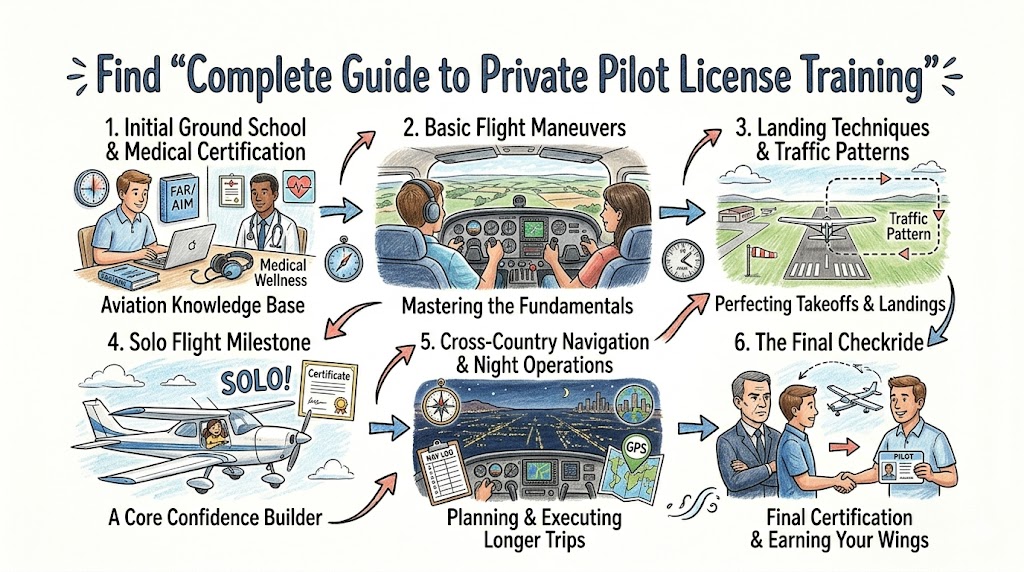
Private Pilot License training includes both ground school and practical flight lessons. Students learn topics such as aircraft systems, weather, navigation, flight planning, aerodynamics, regulations, and emergency procedures. They also build real flying skills through instructor-led lessons, solo flights, and cross-country training. Whether your goal is weekend flying, family travel, or becoming a commercial pilot later, PPL training provides the knowledge, discipline, and confidence needed to grow safely in aviation.
Real-world Use Cases
A Private Pilot License is useful for many types of students and aviation goals.
A hobby pilot may earn a PPL to enjoy weekend flights, visit nearby cities, or experience the freedom of personal aviation. A college student may use PPL training as the first step toward instrument, commercial, and instructor ratings. A career changer may begin with a PPL before deciding whether to pursue aviation professionally.
Parents researching pilot training for their children may also see the PPL as a structured introduction to responsibility, decision-making, and technical learning. Flight schools often treat PPL training as the foundation for every future stage of pilot development.
Evaluation Criteria for Choosing Private Pilot Training
Before enrolling in a Private Pilot License program, students should evaluate:
- Flight school reputation
- Instructor experience
- Aircraft condition and availability
- Training cost transparency
- Scheduling flexibility
- Ground school quality
- Safety culture
- FAA training structure
- Student support
- Long-term pathway options
Choosing the right training environment can make the learning process smoother, safer, and more efficient.
What Is a Private Pilot License?
A Private Pilot License allows a pilot to fly aircraft for personal and recreational purposes under approved rules. It is not the same as a commercial license, meaning the pilot generally cannot be paid to fly passengers or cargo.
However, a PPL gives pilots valuable privileges. It allows them to carry passengers, fly cross-country routes, and build experience for advanced ratings. It is also one of the most common foundations for students who later pursue professional aviation training.
What Can You Do with a Private Pilot License?
With a Private Pilot License, pilots can:
- Fly for personal travel
- Carry passengers within allowed rules
- Rent or operate eligible aircraft
- Fly cross-country routes
- Continue toward advanced ratings
- Build aviation confidence and experience
A PPL is ideal for recreational flyers and students planning a longer aviation journey.
Basic Eligibility Requirements
To begin Private Pilot License training, students must meet basic eligibility requirements. These usually include minimum age requirements, English communication ability, and the ability to meet medical standards.
Students should also be ready for both academic and practical learning. Aviation requires discipline, attention to detail, and consistent practice. A strong interest in safety and learning is just as important as technical skill.
FAA Medical Certificate Requirements
Most students pursuing a Private Pilot License need an FAA medical certificate. This medical exam helps confirm that the student is physically and mentally fit to operate an aircraft safely.
The exam typically checks vision, hearing, general health, and medical history. Students should complete this step early in training so they know they meet medical requirements before investing heavily in flight lessons.
Choosing the Right Flight School
Choosing a flight school is one of the most important decisions in the PPL journey. A good school provides qualified instructors, well-maintained aircraft, organized scheduling, and clear training guidance.
When comparing schools, students should ask about aircraft availability, instructor-to-student ratio, lesson scheduling, safety procedures, and total estimated costs. Visiting the school in person can also help students understand the training environment.
Part 61 vs Part 141 Training Structure
Private Pilot License training in the USA is commonly offered under Part 61 or Part 141 structures.
Part 61 training is usually more flexible and works well for part-time students, hobby pilots, and learners with changing schedules.
Part 141 training follows a more structured FAA-approved curriculum and may suit full-time students or those pursuing a professional aviation path.
Both paths can lead to a Private Pilot License. The best choice depends on the student’s schedule, learning style, and long-term goals.
Ground School Training
Ground school teaches the knowledge needed to become a safe and competent pilot.
Topics usually include:
- Aerodynamics
- Aircraft systems
- Weather theory
- Navigation
- Airspace rules
- Flight planning
- Radio communication
- Regulations
- Emergency procedures
Ground school prepares students for the FAA written exam and helps them understand what they practice during flight lessons.
Flight Training Lessons
Flight training is where students build real cockpit experience with a certified flight instructor.
Lessons usually include:
- Pre-flight inspections
- Taxiing
- Takeoffs
- Climbs and descents
- Turns
- Slow flight
- Stalls
- Emergency procedures
- Landings
- Navigation practice
Each lesson builds skill gradually. Students move from basic aircraft control to more advanced decision-making and independent flight planning.
Solo Flight Preparation
A first solo flight is one of the biggest milestones in pilot training. Before flying solo, students must demonstrate safe aircraft control, good judgment, and knowledge of emergency procedures.
Instructors ensure students are ready before authorizing solo flight. This step builds confidence and shows that the student can safely operate the aircraft without direct instructor assistance.
Cross-Country Flight Training
Cross-country flying teaches students how to plan and complete flights beyond the local training area. This includes route planning, fuel calculations, navigation, weather review, airport selection, and radio communication.
Cross-country training helps students develop real-world flying confidence. It prepares them for future personal travel and builds the decision-making skills needed for safe aviation operations.
FAA Written Exam
The FAA written exam tests knowledge learned in ground school. It covers topics such as weather, regulations, aircraft performance, navigation, and flight planning.
Students should prepare with consistent study, practice tests, and instructor guidance. Passing the written exam is an important step before completing the final practical test.
Checkride Preparation
The checkride is the final practical test for earning a Private Pilot License. It includes an oral exam and a flight test with an examiner.
During the oral portion, students answer questions about regulations, aircraft systems, weather, navigation, and flight planning. During the flight portion, they demonstrate maneuvers, emergency procedures, takeoffs, landings, and safe decision-making.
Cost and Budgeting for PPL Training
Private Pilot License training costs vary based on location, aircraft rental rates, instructor fees, fuel prices, school structure, and student consistency.
Common cost areas include:
- Aircraft rental
- Instructor fees
- Ground school
- Training materials
- FAA written exam
- Medical exam
- Checkride fees
- Headset and pilot supplies
Students should request a realistic total cost estimate rather than focusing only on hourly rates.
Training Timeline
The time needed to complete PPL training depends on lesson frequency, weather, aircraft availability, student preparation, and scheduling consistency.
Students who fly several times per week often progress faster than those who train occasionally. Consistency is one of the best ways to reduce delays, retain skills, and manage total training cost.
Common Challenges for Student Pilots
Student pilots often face challenges such as weather delays, scheduling conflicts, landing technique struggles, radio communication anxiety, and exam preparation pressure.
These challenges are normal. With good instruction, steady practice, and a patient mindset, most students improve gradually and gain confidence over time.
Tips for Successful Private Pilot License Training
Choose the Right Instructor
A good instructor should communicate clearly, prioritize safety, and adapt to your learning style. The instructor-student relationship strongly affects training quality.
Stay Consistent with Lessons
Flying regularly helps students retain skills and progress faster. Long gaps between lessons can increase review time and training costs.
Prepare Before Every Lesson
Review the next lesson topic before arriving at the airport. Prepared students make better use of instructor time and aircraft rental hours.
Study Ground School Early
Do not wait until late in training to focus on ground school. Strong theory knowledge makes flight lessons easier to understand.
Track Your Training Progress
Use a logbook and lesson notes to monitor what you have completed, what needs improvement, and what comes next.
Manage Costs Carefully
Ask for a clear estimate, plan for extra practice time, and avoid unnecessary delays by staying consistent.
Build Confidence Before Solo Flight
Confidence comes from repetition, preparation, and trust in your training. Do not rush the process; safety is more important than speed.
Private Pilot License vs Sport Pilot Certificate
A Sport Pilot Certificate is usually simpler and may require less training, but it has more limitations on aircraft type, passengers, and operating conditions.
A Private Pilot License offers broader privileges and is a stronger foundation for advanced aviation training. Students who want more flexibility often choose the PPL path.
Private Pilot License vs Commercial Pilot License
A Private Pilot License allows personal and recreational flying, while a Commercial Pilot License allows pilots to be compensated for certain flying work.
Most students earn a PPL before moving toward commercial training. The PPL builds the essential skills needed for more advanced licenses.
Full-Time vs Part-Time Training
Full-time training can help students finish faster, build momentum, and stay deeply focused.
Part-time training works better for students balancing school, work, or family responsibilities.
The right choice depends on budget, availability, and long-term goals.
Benefits of Earning a Private Pilot License
A Private Pilot License helps students:
- Fly recreationally
- Carry passengers under allowed rules
- Build strong aviation knowledge
- Prepare for advanced ratings
- Improve decision-making
- Gain confidence in aircraft operation
- Start a professional aviation pathway
- Experience personal freedom in flight
For many students, earning a PPL is both a personal achievement and a gateway to bigger aviation goals.
Next Steps After Earning a PPL
After earning a Private Pilot License, pilots may choose to continue building experience or pursue additional training.
Common next steps include:
- Instrument rating
- Commercial pilot training
- Multi-engine training
- Flight instructor certification
- Advanced cross-country experience
- Aircraft ownership or rental
The PPL is not the end of the aviation journey; it is the foundation for future growth.
FAQs
1- What is a Private Pilot License?
A Private Pilot License allows a person to fly aircraft for personal and recreational purposes under approved rules. It is one of the most common first major pilot certifications.
2- Who is eligible for PPL training?
Students must meet minimum age, English communication, and medical requirements. They should also be prepared for both ground study and practical flight training.
3- How much does PPL training cost?
Costs vary by school, aircraft type, instructor rates, and training consistency. Students should request a full cost estimate including aircraft rental, instructor fees, exams, and supplies.
4- How long does it take to complete PPL training?
The timeline depends on how often the student trains, weather conditions, aircraft availability, and study habits. Students who fly consistently usually finish faster.
5- Do I need an FAA medical certificate?
Yes, most Private Pilot License students need an FAA medical certificate. Completing this early helps confirm eligibility before investing heavily in training.
6- What is ground school?
Ground school teaches aviation theory, regulations, weather, navigation, aircraft systems, and flight planning. It prepares students for the FAA written exam and practical flying.
7- When can a student pilot fly solo?
A student can fly solo only after an instructor confirms they are ready and provides the required authorization. Solo flight is based on safety, skill, and judgment.
8- Is the FAA written exam difficult?
The written exam requires preparation, but it is manageable with consistent study and practice. Ground school and instructor guidance help students prepare effectively.
9- What happens during the checkride?
The checkride includes an oral exam and a practical flight test. The student must demonstrate knowledge, aircraft control, safety awareness, and decision-making.
10- Can a PPL lead to an aviation career?
Yes. A PPL is often the first step toward instrument, commercial, multi-engine, and instructor ratings. It provides the foundation for professional aviation training.
Conclusion
Private Pilot License training is one of the strongest foundations for anyone who wants to enter aviation. It teaches students how to fly safely, understand aircraft systems, make responsible decisions, and build confidence in real flight environments. Whether your goal is recreational flying, personal travel, or a future aviation career, PPL training gives you the skills and knowledge needed to move forward. Success depends on choosing the right flight school, staying consistent with lessons, preparing for exams, and maintaining a safety-first mindset. With discipline, planning, and proper guidance, earning a Private Pilot License can become the beginning of a rewarding lifelong aviation journey.
